


The Thrill of Fall Bird Hunting: Tips, Gear, and More
- Brad Sherwood

- Oct 19, 2023
- 7 min read
Updated: Oct 20, 2023

TABLE OF CONTENTS
As summer gives way to cooler temperatures and beautiful foliage, you're likely anticipating the arrival of fall. It's my favorite season. I feel so much nostalgia during this time of the year. It's also a season loved by many outdoor enthusiasts, especially bird hunters. As the leaves turn golden, fall bird hunting season offers more than just the thrill of the chase. For many men, it's an annual tradition that reconnects us to the essence of nature.
But beyond the hunt itself, this age-old tradition serves as a test of our fortitude, helping refine our authentic masculine traits. The patience required to wait for the perfect shot, the resilience to trek through rough terrains, and the respect for the game and nature, all resonate deeply with our core as a man. This season, as we venture into the woods and fields in pursuit of this passion, we also embark on a journey of self-discovery, exploring how hunting nurtures and sharpens our innate masculine virtues.
The Autumn Migration: A Natural Spectacle
One of the most captivating aspects of bird hunting in the fall is the annual migration of various bird species. As temperatures drop and daylight hours dwindle, millions of birds embark on remarkable journeys, covering thousands of miles to reach their wintering grounds. This mass movement of birds gives you a unique opportunity to engage in bird hunting.
Types of Migratory Game Birds:

Waterfowl, such as ducks and geese, are perhaps the most iconic targets of fall bird hunting. Their migration patterns take them from northern breeding grounds to southern wintering habitats, offering you numerous opportunities to intercept these majestic fliers. Upland game birds, including pheasants, quail, and grouse, also engage in seasonal migrations. Tracking these birds through fields and forests makes for an exciting hunting experience.
The Essential Gear for Fall Bird Hunting
Before venturing into the fields and wetlands, it's crucial to assemble the right gear for a successful and enjoyable hunting expedition.
Shotgun and Ammunition
When heading out for bird hunting, it's essential to be armed with a dependable shotgun that aligns with your hunting goals, be it for waterfowl or upland birds. However, beyond the shotgun itself, the ammunition—specifically, the shotgun shell's size and load—is equally critical.
Shotgun shells come in various sizes or "gauges." Commonly used gauges for bird hunting include the 12-gauge and 20-gauge, with the 12-gauge being the more versatile of the two, suitable for a wider range of birds due to its power. The 20-gauge, being lighter, is often preferred by those wanting a less recoiling option, especially when targeting smaller upland birds.
Now, when discussing the "load" of a shotgun shell, we're referring to the weight of the shot inside the shell. For instance, a 1 oz. load in a 12-gauge shell could be packed with smaller pellets for birds like quail or dove, whereas a 1 ¼ oz. load might have larger pellets suitable for heftier birds like ducks or geese.
The "shot size" indicates the size of the individual pellets in the shell. For example, smaller numbers like #4 or #6 shot are larger pellets suitable for waterfowl, while larger numbers like #7.5 or #8 are finer pellets ideal for upland birds.
In essence, pairing the right shotgun shell size and load with the type of bird you're after not only maximizes your chances of a successful hunt but ensures it's done ethically and effectively. Always remember to do your research and perhaps even seek advice from seasoned hunters to make the best choice for your specific hunting needs.
Safety Gear
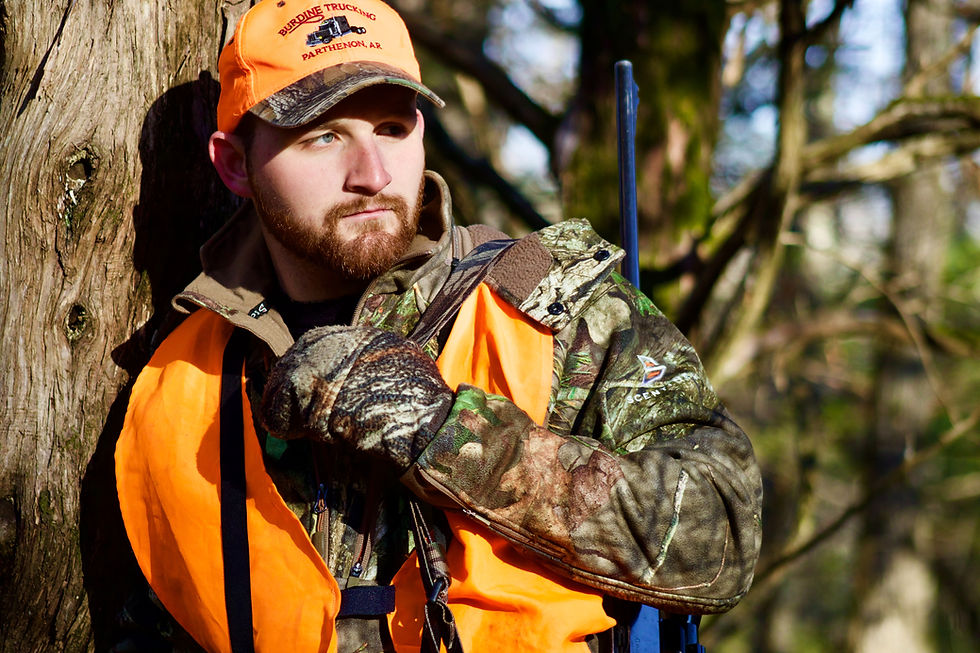
To ensure visibility and safety during the hunt, wear blaze orange clothing or accessories to make you easily distinguishable from the environment. Safety should always be your top priority. Wear hearing protection, use eye protection, and familiarize yourself with firearm safety rules.
A backpack with compartments for gear and a game pouch for storing harvested birds can be invaluable during your hunt.
Decoys, Clothing, and Accessories
When embarking on a waterfowl hunt, one of the trusted strategies many of us rely on is the use of decoys. These replicas can make all the difference in attracting ducks and geese, giving them the confidence to approach. Using decoys paired with the use of calls, such as duck or turkey calls, gives you a really potent combination. These calls, when used correctly, mimic the authentic sounds of birds, making it easier to lure them closer and within your shooting range.
However, the tools and tactics are just one part of the equation. Equipping yourself with the right attire is essential. Depending on the season and the type of terrain you're navigating, your choice of clothing can make or break the experience. For those chilly morning hunts, consider wearing insulated camo clothing that not only keeps you hidden but also warm. Waterproof boots are essential, ensuring your feet stay dry as you traverse wet terrains or stand by the water's edge. Don't overlook the smaller details either—gloves and a hat can provide that extra layer of comfort and protection against the elements.
And don't forget the importance of a well-organized backpack. A good hunting backpack offers compartments tailored for your gear, ensuring everything has its place. Plus, having a designated game pouch is handy when storing harvested birds, keeping them separate from your other equipment. With these essentials, you're not just preparing for the hunt but ensuring a smoother, more rewarding experience.
Man's Best Friend
When it comes to bird hunting, having a trusty companion by your side can make a world of difference. Well-trained bird dogs, like retrievers or pointers, not only amplify the enjoyment of the hunt but also bring a level of efficiency that's hard to match. These loyal dogs have an innate ability to sniff out and track birds, saving us a lot of guesswork. Once a bird is downed, their retrieval skills come into play, ensuring no game is wasted. Beyond their functional roles, the bond shared with these dogs adds a touch of camaraderie and warmth to every hunting trip. They're not just pets; they're partners in the truest sense.
Techniques and Strategies
Bird hunting in the fall requires a combination of patience, skill, and understanding of bird behavior. Before your hunt, scout the hunting area to identify bird concentrations, feeding grounds, and flight patterns. This knowledge will help you choose the best hunting spots. Proper concealment is crucial. Use natural cover, blinds, or layout boats when waterfowl hunting. Blend into the environment to avoid detection.
Strategically place decoys on the water or in fields to create an inviting setup that attracts passing birds. Learn to use bird calls effectively. Mastering the art of calling can entice birds to come closer, providing clear shot opportunities.
Understanding the anatomy of your target bird is essential. Aim for vital areas to ensure quick and humane kills. If you're hunting with a dog, ensure they are well-trained in retrieving downed birds. Retrieval skills are vital for a successful hunt.
Steps on Getting Started:
1. Choose Your Bird Game: Selecting the right bird game is the cornerstone of your hunting adventure. Whether you're targeting pheasants, quail, ducks, or other upland or waterfowl species, your choice will dictate your location, gear, and hunting techniques. Research the specific hunting seasons, permits, and bag limits for your preferred bird species.

2. Assemble Essential Gear: Bird hunters should compile a checklist of essential gear tailored to their chosen game and environment. This includes shotguns, appropriate ammunition, camouflage clothing, hunting vests, bird calls, decoys, and a dependable shotgun dog if you have one. Additionally, don't overlook basic survival gear, including first-aid supplies and navigation tools.
3. Know the Hunting Regulations: Understanding the regulations governing bird hunting is paramount. Consult your state or local wildlife agency for the latest rules on hunting seasons, bag limits, licensing requirements, and specific hunting zones. Complying with regulations ensures ethical and lawful hunting.
4. Scout Your Hunting Area: Familiarize yourself with your hunting area well before the trip. Whether it's private land or public hunting grounds, scouting helps you identify prime locations for blinds, decoy setups, or hiding spots. Research bird behavior, feeding patterns, and roosting areas to maximize your chances of success.
5. Plan Accommodations and Logistics: Consider your accommodations during the trip. Options range from camping near your hunting area to booking lodging in nearby towns. Make reservations well in advance, particularly during peak bird hunting seasons. Plan your travel route and ensure you have the necessary permits for transporting firearms across state lines.
6. Prioritize Safety: Safety remains the paramount concern for hunters. Share your trip details, including your itinerary and expected return date, with a trusted individual. Carry essential safety gear, including a first-aid kit and communication devices like a satellite phone or two-way radio. Ensure you're well-versed in firearm safety and wilderness first aid.
7. Efficient Packing: Pack efficiently by categorizing your gear into sections such as hunting essentials, sustenance, clothing, and safety equipment. Travel light and avoid overloading yourself, packing only what's essential for your specific bird-hunting adventure. Account for temperature fluctuations in your clothing choices.

8. Practice Shooting: Before embarking on your bird hunting trip, invest time at the shooting range to enhance your shooting accuracy and firearm proficiency. Consistent practice bolsters confidence and increases your chances of making clean, ethical shots in the field.
9. Respect the Environment: Bird hunters are stewards of the environment. Follow Leave No Trace principles by cleaning up all trash, abiding by hunting regulations, and minimizing your impact on wildlife and habitats. Ethical hunting practices contribute to the conservation of bird populations and their ecosystems.
10. Enjoy the Experience: A fall bird hunting trip offers not only the excitement of the hunt but also an opportunity to immerse yourself in nature's beauty. Relish the camaraderie with fellow hunters and cherish the memories created during early morning hunts and evenings by the campfire.
In Closing
Bird hunting is more than just a pastime—it's a journey back to our roots and a celebration of the great outdoors. Each hunting trip teaches us patience, resilience, and respect. It's in those quiet moments of waiting that we find some of life's greatest lessons, ones that shape not just the hunter in us, but the man as well. Every outing is a chance to connect deeper with our authentic masculinity and to understand ourselves a bit more. So, whether you've been hunting for years or are just getting started, the fall awaits with its majestic birds and endless opportunities to create cherished moments in nature.


Comments