


How to Teach Your Kids to Love Nature
- Jalin Coblentz

- Nov 25, 2023
- 4 min read
Updated: Jan 22, 2024

Spending time outdoors, whether hiking, hunting, fishing, disc golfing, or anything else, is a massive part of my wife and I's life. As such, we also want it to be a big part of our children's lives. However, modern society would tell us that what our kids love and enjoy isn't up to us but is for them to decide.
While that's true in part, and you never want to force your kids into a sport or hobby that they loathe, we, as parents, play a massive role in shaping the decisions and preferences of our children. Therefore, it's possible (and important) to teach kids to love and respect nature without forcing it on them.
The Importance of Teaching Your Kids to Love the Great Outdoors
First of all, spending time in the fresh air of nature is much more than just a hobby. It's a way of life and a healthy one at that. According to the Cleveland Clinic, outdoor play and hiking hold many health benefits, including the following:
Reduces the risk of heart disease, high blood pressure, and obesity.
It's good for people with diabetes
Reduces the chances of anxiety and depression
It's excellent for strengthening bones and muscles
Improves balance and sleep
Boosts the immune system
Each of these physical and mental health benefits is important if you want your kids to grow up happy and healthy. In addition to these benefits, exploring nature is a great way to strengthen the bonds between parents and children.
How Much Outdoor Time Do Kids Need?
There are many different opinions about how much outdoor play and time in nature kids should get each day. However, according to pediatric occupational therapist Angela Hanscom, kids should get at least three hours of outdoor time.
Compare that to the fact that the average American child spends less than 10 minutes outside versus an average of 6 hours in front of a screen, and you can see there's an obvious problem.
Why Do Kids Want to Spend Time Indoors?
Ultimately, there are two primary reasons kids and teenagers don't spend more time in an outdoor environment. The first is that today's culture doesn't stress the benefits and importance of spending time in nature. Instead, there's much more emphasis on playing video games, browsing social media, and enjoying technology than on being outside.
Secondly, most parents don't emphasize the importance of spending time in nature.
Whether it's because they don't enjoy the outdoors themselves or simply don't want to take the time to get out of the house, outdoor time often isn't a point of emphasis.
Therefore, the key to teaching your kids to love nature is to combat these obstacles and to be deliberate about creating outdoor time.
How to Raise Nature-Loving Kids in the Modern World

Start at a Young Age
If you're only going to take one thing away from this article, it's that you should immerse your little ones in nature as early as possible. The sooner that kids get into the great outdoors and make it part of their childhood, the more likely they are to grow up with a healthy love and respect for it.
Find Activities They Enjoy
As I said before, you can't force kids to love nature, and if you only do things that YOU enjoy, they won't develop a lasting love and respect for their natural world. Therefore, it's essential to find activities THEY enjoy, and that will have them begging to go outside.
Whether that means creating nature crafts, collecting shells on the beach, going on a quick walk, or climbing trees, let them do things they enjoy. They'll still reap the benefits of being outside, and it will open them up to even more exciting outdoor activities.
Do Family Activities
In addition to its mental and physical benefits, spending time in nature is a great way to strengthen familial bonds. Therefore, you should find activities that are fun for the whole family, such as hiking, biking, or playing sports or outdoor games.
Loosen Up a Little
When we talk about spending time in nature, there are two general ways to do this. First, you can have structured activities like hiking, nature walks, or organized games.
If you really want to instill a love of nature in your children, however, the best way to do it is with "free play." Free play is where you and your kids go outside without any goals or planned activities. Instead, you let them wonder in their environment and find things to do independently. Your only job is run interference if they put themselves in harms way.
Kids are naturally adventurous, so letting them discover things on their own and create their own adventures will inspire awe and have them super excited for outdoor time in the future. Unstructured free play will also let them explore their limits and increase their curiosity.
Normalize Nature
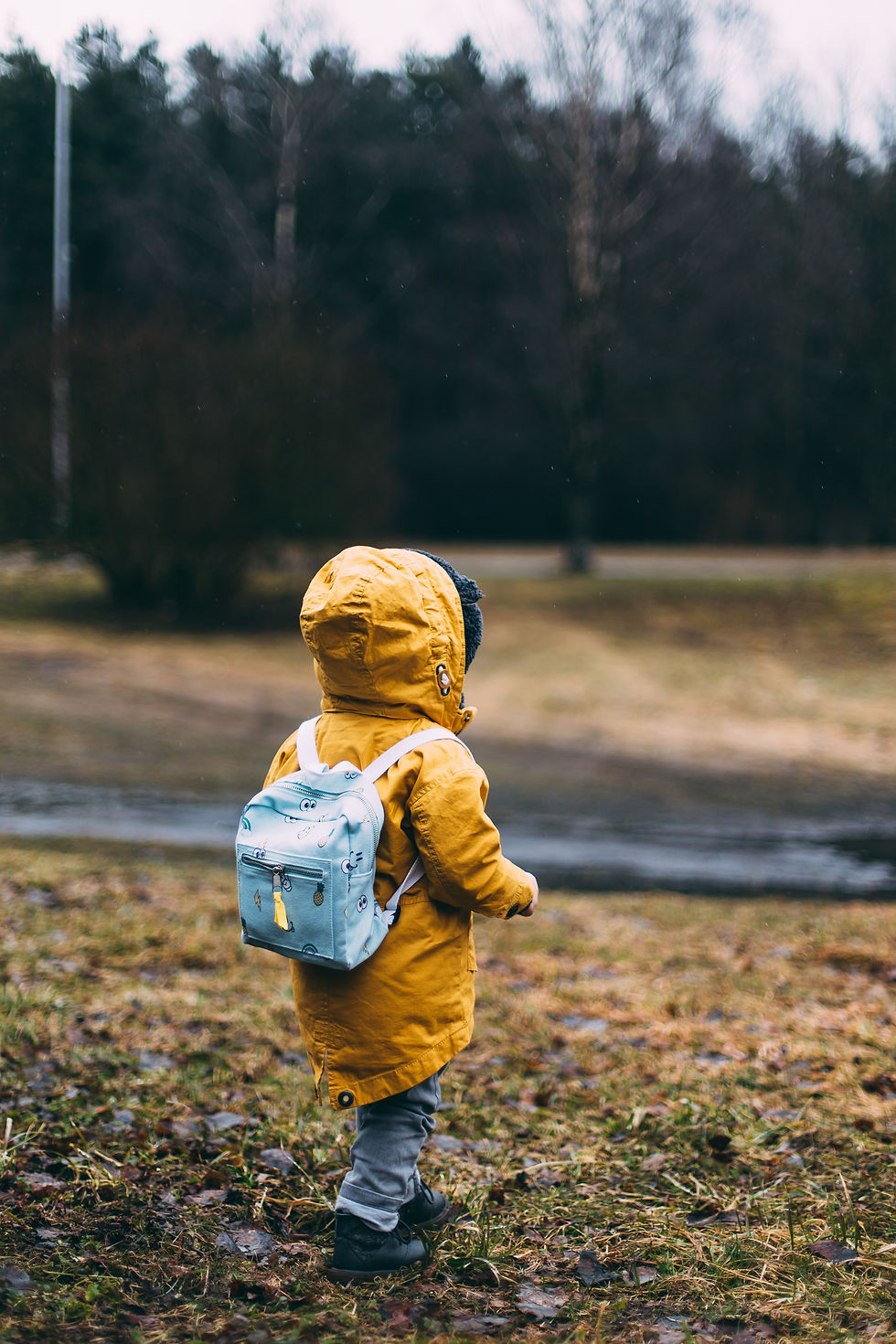
Another important aspect of teaching kids to love nature is to normalize it. It's extremely difficult to take older children who have never spent time outdoors outside and convince them to enjoy it. A big reason for that is because it's completely foreign to them and holds many fears and unknowns.
For example, I was hiking in Rocky Mountain National Park last summer when I ran into a family with young kids. It was obviously one of the first times they had ever been in the woods. They believed that the birds and squirrels were out to get them, resulting in so much fear and paranoia that they weren't even able to enjoy themselves!
Clearly, the parents hadn't taken the time to teach the kids about these animals, as well as what they should actually be afraid of. Normalizing nature and teaching little kids at an early age about things to fear, respect, and love will help them grow into responsible, knowledgeable adults.
Final Thoughts
Ultimately, if you get children outdoors at a young age doing things that they enjoy, they will grow up loving nature. The keys to success are to start early, let them explore their bounds, and spend quality time with them, teaching them to love and respect nature. If you follow these simple rules and normalize nature early on, your children will love the outdoors as much as you.
We just welcomed our third child in October and are looking forward to how she interacts and experiences nature.
What steps are you taking to get your kids in the great outdoors? Let us know below.


Comments