


Survival Essentials: 10 Items Hikers Should Carry in Their Day Pack
- Bill Bernhardt

- Oct 5, 2023
- 8 min read
Updated: Oct 20, 2023

TABLE OF CONTENTS
Every year, even highly experienced hikers find themselves exploring a trail, noticing an attractive feature in the distance, and deciding to take a closer look. At that moment, it seems like a simple matter of finding the trail again, but often, we fail to consider a crucial aspect – the terrain looks different when we're traveling toward a particular feature than when you're traveling back. As a result, hikers often find themselves forced to spend an unexpected night in the wilderness without proper preparation. This is where a small day pack can become a hiker's best friend.
Staying Warm and Dry
Lightweight fleece shirt
Lightweight fleece pants
Lightweight fleece or down jacket.
Light or ultralight rain shirt/pants or lightweight poncho
Navigating the dynamic temperatures and elements of the great outdoors requires both preparation and adaptability. Even though daytime temperatures might be inviting and balmy, nature is often unpredictable, and nighttime can bring surprising drops in temperature or unexpected showers. This underscores the importance of always being equipped for the myriad conditions the wilderness might present.
Fleece, with its lightweight and insulating properties, is an invaluable asset to any adventurer. It traps a layer of air warmed by your body, acting as a buffer against the chilly air outside. Moreover, it retains much of its insulating power even when wet, making it a favorite choice among outdoor enthusiasts.
However, warmth is just one part of the equation. Water, as it seeps into clothing, can sap the body's warmth at an accelerated rate, making dampness a potential danger in itself. That's why waterproofing is crucial. With advancements in outdoor gear, there are numerous choices available, from traditional rain jackets and pants to innovative ultralight ponchos. Some seasoned trekkers even advocate for umbrellas, citing their ventilation benefits and versatility.
But beyond the tools and attire, understanding the importance of staying warm and dry is crucial. It's not merely about comfort, but safety. When the body is wet, it loses heat much faster than when it's dry. Prolonged exposure to cold, especially when damp, can lead to hypothermia – a dangerous drop in body temperature that can be fatal if not addressed promptly. By arming ourselves with the right knowledge and gear, we are not only prioritizing our comfort but are also safeguarding our health, enabling us to fully engage with and appreciate the beauty of the outdoors.
Let There Be Light: The Importance of Illumination

Navigating the wilderness after sunset introduces an entirely new set of challenges and risks. Darkness masks terrains, transforms familiar surroundings, and limits your ability to perform even the most basic tasks. In such situations, a reliable source of light becomes more than just a convenience—it becomes an indispensable tool for safety and survival.
A small LED flashlight or headlamp
A small LED flashlight due to its compact nature and powerful illumination, can act as a beacon in the dark wilderness. Modern LED lights often come with adjustable settings that allow users to toggle between high-intensity beams, useful for navigating rough terrains, and low-intensity modes, ideal for up-close tasks while conserving battery life. With their lightweight build and energy-efficient technology, these flashlights are particularly suited for prolonged outdoor adventures.
However, many seasoned adventurers swear by headlamps. These hands-free devices strap comfortably onto one's forehead, casting light wherever the user turns their gaze. This design proves invaluable when both hands are needed for tasks like setting up camp, reading maps, or cooking. The added advantage of not worrying about dropping or misplacing your light source cannot be overstated, especially in challenging environments.
Another essential feature to consider in a light source is a strobe or SOS mode. This intermittent flashing can serve as a critical distress signal, especially during nighttime emergencies. The strobe's rapid flashing is easily noticeable from a distance and can draw the attention of passing aircraft or ground search parties.
Fire-Making: The Multi-Purpose Skill
Venturing into the wilderness, regardless of the duration, requires one to be armed with certain vital skills—and among these, the art of fire-making stands paramount. Fire has been mankind's trusted ally for millennia. It not only braves the chilling bite of the wild, offering warmth, but it also serves as a beacon, casting away the encompassing darkness, and providing a platform to cook, thus ensuring a warm meal in the heart of the wild.
A butane cigarette lighter or waterproof matches
Carrying a butane cigarette lighter offers a quick and reliable way to start a fire. They're compact, lightweight, and provide a consistent flame even in windy conditions. However, they aren't infallible. Altitude, cold, or simply running out of fuel can render them useless. Hence, it's wise to have a backup. Waterproof matches, as the name suggests, are designed to work even when wet. They can be a lifesaver in damp or rainy conditions, where conventional matches would fail.
Yet, while these tools generate a spark or flame, achieving a roaring fire often requires a catalyst—enter fire starters. These are specially designed substances or materials that catch fire quickly and burn long enough to ignite larger fuels like twigs or logs. Options range from commercial fire starter sticks and cubes to homemade alternatives like cotton balls soaked in petroleum jelly. Including a few in your pack ensures that even in damp conditions or when dry tinder is scarce, you have the means to jumpstart your fire.
Ultimately, fire-making isn't just about carrying the right tools. It's about understanding the environment, reading the elements, and respecting the power of nature. It's a skill that, when mastered, instills a sense of self-reliance and confidence, grounding us to our primal roots while ensuring our safety and comfort in the great outdoors.
Shelter: A Psychological Lifesaver
The very essence of a shelter, whether in the confines of an urban setting or the vast stretches of wilderness, is to offer a sense of security and stability. And in the unpredictable environs of the great outdoors, this security becomes paramount. An ultra-light nylon tarp, though seemingly meager in its capacity, holds a wealth of benefits.
Ultra-light nylon tarp
While an ultra-light nylon tarp may not offer substantial shelter during severe weather, it offers a quick respite from unexpected light rain, morning dew, or even the relentless rays of the midday sun. Its lightweight nature means it can be easily incorporated into any backpack without being burdensome, making it an ideal addition for every outdoor enthusiast.
But beyond its tangible utilities, a tarp's value significantly magnifies in the psychological realm. The wilderness, with its vast expanses and echoing silences, can sometimes feel overwhelming and isolating. During such moments, the mere act of setting up a tarp and creating a defined space can instill a sense of purpose and focus. This makeshift haven, marked by the boundaries of the tarp, becomes a sanctuary—a place of grounding amidst the boundless. There's comfort in knowing that when darkness encroaches or the elements become less forgiving, there's a space to retreat to.
Moreover, the ritual of setting up a shelter, stretching out the tarp, and anchoring it down can provide a therapeutic diversion, shifting focus from the overwhelming vastness of nature to the immediate task at hand. This hands-on interaction with one's environment serves as a tangible anchor to the present moment, reinforcing a connection with the natural world.
A shelter, no matter how modest, can make you feel more secure than lying beside a fire on an exposed night.
Nutrition and First Aid: Fuel for Survival
Beef Jerky, dried fruit, trail mix, or energy bars
Basic first-aid kit
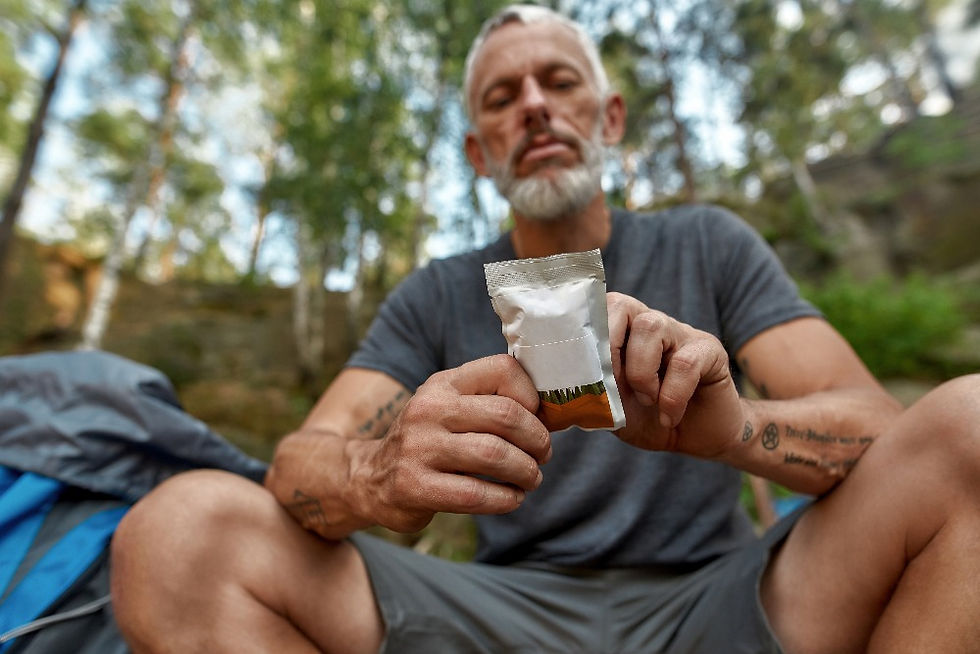
Traversing the trails and basking in nature's glory may seem invigorating, but it can rapidly deplete the body's energy reserves. Every step taken, every hill climbed, and every obstacle overcome drains calories from our system. When hiking, it's not just about savoring the view but ensuring that you are fuelled sufficiently to continue the journey. There's an adage in hiking: "Eat before you're hungry and drink before you're thirsty." And this holds especially true if you find yourself unexpectedly bracing for a night in the wilderness.
In the realm of nutrition, balance is the key. While beef jerky is a top choice for protein, remember that proteins are slower to digest and can weigh down your digestive system if not complemented with adequate hydration. To offset this, complement your protein sources with easily digestible carbs. Dried fruits like raisins or apricots provide quick energy, while nuts in a trail mix offer sustained energy release, ensuring a balance of immediate and long-lasting fuel. Energy bars, particularly those fortified with essential nutrients, can also be a boon, providing a compact yet nutrient-dense snack option.
But sustenance goes beyond food. Venturing into the unpredictable terrains of the wild means potential encounters with minor accidents or health hiccups. While nature is healing in many ways, it's not always equipped to offer immediate medical solutions. This is where a well-stocked medical kit becomes indispensable. Think of this kit as your mini-pharmacy on-the-go. Whether it's a pesky splinter, a sprained ankle, or a minor cut, being equipped with basic first aid supplies can be the difference between a minor setback and a significant hindrance.
Creating your own medical kit allows you to customize based on personal needs and preferences. For instance, if you're prone to allergies, antihistamines would be a must-have. But if you prefer a hassle-free solution, many outdoor brands offer pre-packaged kits tailored to varying needs. No matter the choice, organization is paramount. Knowing exactly where each item is can save crucial minutes in emergencies.
A thoughtful mix of nutrients and a well-equipped medical kit are not just accessories but essentials, reinforcing the idea that while nature is our playground, safety and sustenance should always be top of mind.
Making Noise: Signaling for Help
Whistle
Being detected and recognized in emergencies can be a matter of life and death, and while the serene silence of nature is one of its greatest allurements, there are moments when breaking that silence becomes crucial. When lost, injured, or facing an immediate threat, our primal instinct is to use our voice to call for help. But even the most vigorous shout can easily be drowned by the vast expanse of wilderness, winds, or even the rustling of leaves.
Furthermore, persistent yelling can not only wear out the vocal cords but also exhaust a person, both mentally and physically. This is especially true when factors like dehydration, fear, and fatigue come into play. On the other hand, a coach's whistle offers a sharp, piercing sound that cuts through the ambient noises of the outdoors, ensuring a better chance of being heard.
The science behind this is simple. A whistle's high-pitched tone is distinct from most natural sounds, allowing it to travel further and remain audible even in densely wooded or rugged terrains. Moreover, the repeated three blasts serve as a universally acknowledged distress code, informing potential rescuers of your predicament.
It's worth noting that many modern hiking backpacks have started incorporating these whistles into their design, particularly on chest or sternum straps. Such an integration not only underlines the importance of having a whistle on hand but also ensures its accessibility in dire situations. This subtle feature can be easily overlooked, but in times of distress, it stands as a potent tool to signal for help.
In Conclusion: Always Be Prepared
Whether you plan for a short hike lasting an hour or a full-day adventure, embodying the spirit of authentic masculinity means being responsible and well-prepared. Having a well-prepared day pack is crucial because you never know when you might become lost or injured. Carrying these essential items increases your chances of survival in a life-or-death situation. Safety in the wilderness depends on your readiness, so don't hit the trail without these survival essentials in your day pack.
By adhering to these principles of preparedness, you can embark on your hiking adventures with confidence, knowing you have the tools and knowledge to handle unexpected challenges and ensure your well-being in the great outdoors. Stay safe, stay prepared, and enjoy the beauty and serenity of nature responsibly.
At MENxNATURE (Men by Nature), our articles aim to inspire and entertain. However, remember they aren't substitutes for expert guidance in real-life survival situations. Always prioritize thorough research and trusted advice when embarking on wilderness adventures.
Want to see more articles on the outdoors, leadership as well as inspiration on navigating today's culture as a man? Sign up for our newsletters here.


Comments